30 October 2026 · Comfort · Seasonal Living · Building-First Design · Materials
Comfort Beyond the Thermostat
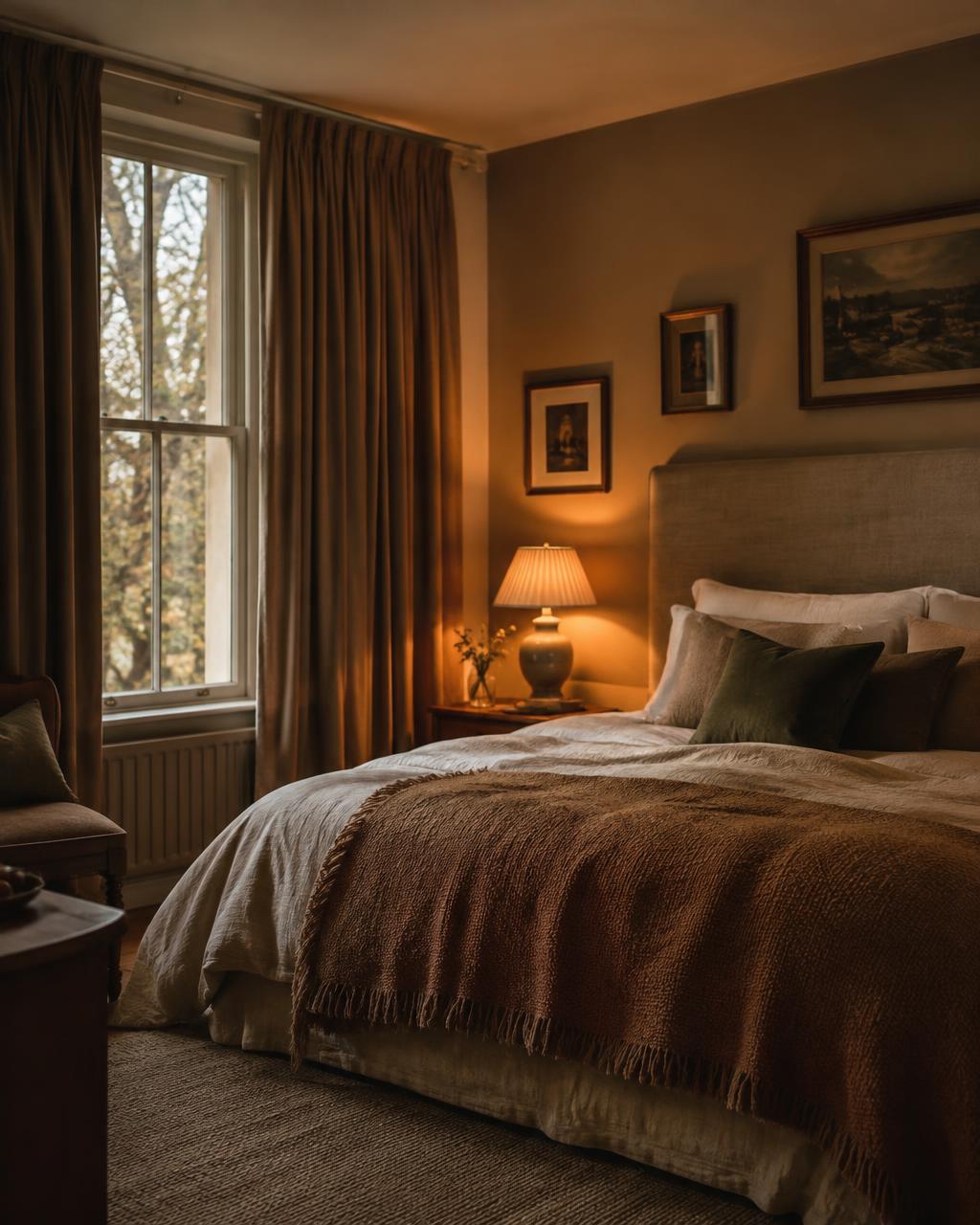
There is a difference between a room that looks comfortable and one that feels comfortable to occupy. A deep sofa and generous curtains may suggest warmth, yet a seat beside cold glazing can remain uninviting. A sunlit room can be beautiful in the morning and difficult to use by late afternoon.
These are not simply questions for the heating system. They belong to the interior from the beginning. Where we sit, how we shade a window and what lies beneath our feet all contribute to comfort, often more directly than another decorative layer.
Comfort begins at the edges
At Babette Bowen Design, our building-first approach means considering the conditions of a room before deciding what it should contain. The position of its windows, the direction it faces and its relationship to the outside establish a starting point that furnishings alone cannot undo.
A thermostat measures air temperature at a particular location; it does not describe the whole experience of a space. Surrounding surfaces matter too. Cold glass can make a nearby seat feel cooler than one further into the room, even when the air temperature is similar.
This is one reason furniture planning should be tested against the building rather than composed solely as a drawing. The most visually obvious place for an armchair is not necessarily the place someone will choose on a January afternoon. A modest adjustment can make a room more inviting without changing its character.
Sunlight needs a thoughtful response
Daylight is often treated as an uncomplicated asset. In practice, its value depends on when it arrives, how deeply it enters and whether there is a way to moderate it.
A west-facing window may bring welcome winter light but uncomfortable summer heat. Large areas of glazing deserve particular attention: the view and the brightness should be considered alongside glare and overheating, rather than separately from them.
Window treatments are therefore part of the architecture of comfort, not merely a finishing decision. Their position, operation and relationship to opening windows need to be resolved early. Internal blinds and curtains can help manage glare and provide a useful layer, while external shading can intercept sunlight before it reaches the glass. The appropriate solution depends on the building, its orientation and any planning constraints.
The aim is not to exclude daylight. It is to make its presence adjustable, so that a room remains usable rather than becoming a space to admire from elsewhere.
Materials change the experience
Stone, timber, wool and linen do not feel interchangeable, even in a tightly controlled palette. Their tactile qualities affect how we experience a room before we consciously register its composition.
A stone floor can feel pleasantly cool underfoot in warm weather. In a bedroom used barefoot on winter mornings, that same sensation may be less welcome. Neither response makes the material inherently right or wrong; it makes context important.
Rugs and upholstery can soften the immediate experience of a space, but they should not be asked to disguise unresolved building problems. Draughts, insulation and heating provision need appropriate technical attention. Material choices work best in support of that foundation, with floor finishes and any underfloor heating considered together by the relevant specialists.
Material honesty includes acknowledging what a surface actually does, not only the atmosphere it suggests in a photograph.
Allow for seasonal change
A timeless interior need not remain physically identical throughout the year. Some flexibility can make it more useful, and more pleasurable.
That might mean a lighter covering replacing a heavy throw, an accessible place to store seasonal bedding, or a second comfortable seat away from direct summer sun. These are small allowances, but they recognise that domestic life is not static.
The same principle applies across climates. A home in South Wales, London or the UAE cannot be approached with an identical set of assumptions about sunlight, ventilation and cooling. Local conditions and specialist advice should inform the design, rather than a visual formula being carried from one setting to another.
A room that invites you to stay
The most convincing comfort rarely announces itself. It is the chair that remains pleasant to sit in, the blind that is easy to adjust, the floor that suits the way a room is used.
When these decisions are considered together, the interior asks less of its occupants. Its beauty is not separate from its usefulness. It becomes somewhere to settle, in more than one season.